Is Pilates going mainstream, bad news for your Boutique Studio?
Pilates going mainstream is good news if your studio has a clear point of difference, and bad news if it doesn't. Big-box gyms adding reformers won't kill boutique studios — but they will expose the ones that are competing on the modality alone rather than on methodology, community, and instructor quality.
TL;DR
Pilates grew 40% globally from 2019 to 2025 and is now the most booked workout on ClassPass
Large commercial gym chains are adding reformer Pilates — the modality is moving from boutique to mainstream
Boutique studios that own a clear positioning will be fine; those that don't will feel the squeeze
The studios most at risk are those selling "Pilates" rather than a specific outcome, experience, or methodology
Your website needs to show what makes you different before a potential client ever walks in
Introduction
Something shifted in the Pilates world this year that every boutique studio owner needs to know about.
Vasa Fitness — a large US commercial gym chain — added Reformer Pilates to its offering this month. It's not alone. Big-box operators globally are watching the data and adding the modality. That data is hard to argue with: Pilates grew 40% from 2019 to 2025 and has been the most booked workout on ClassPass globally for three consecutive years, with reservations up 66% year-over-year.
This piece is about what that actually means for boutique studio owners in Australia — and what to do about it right now.
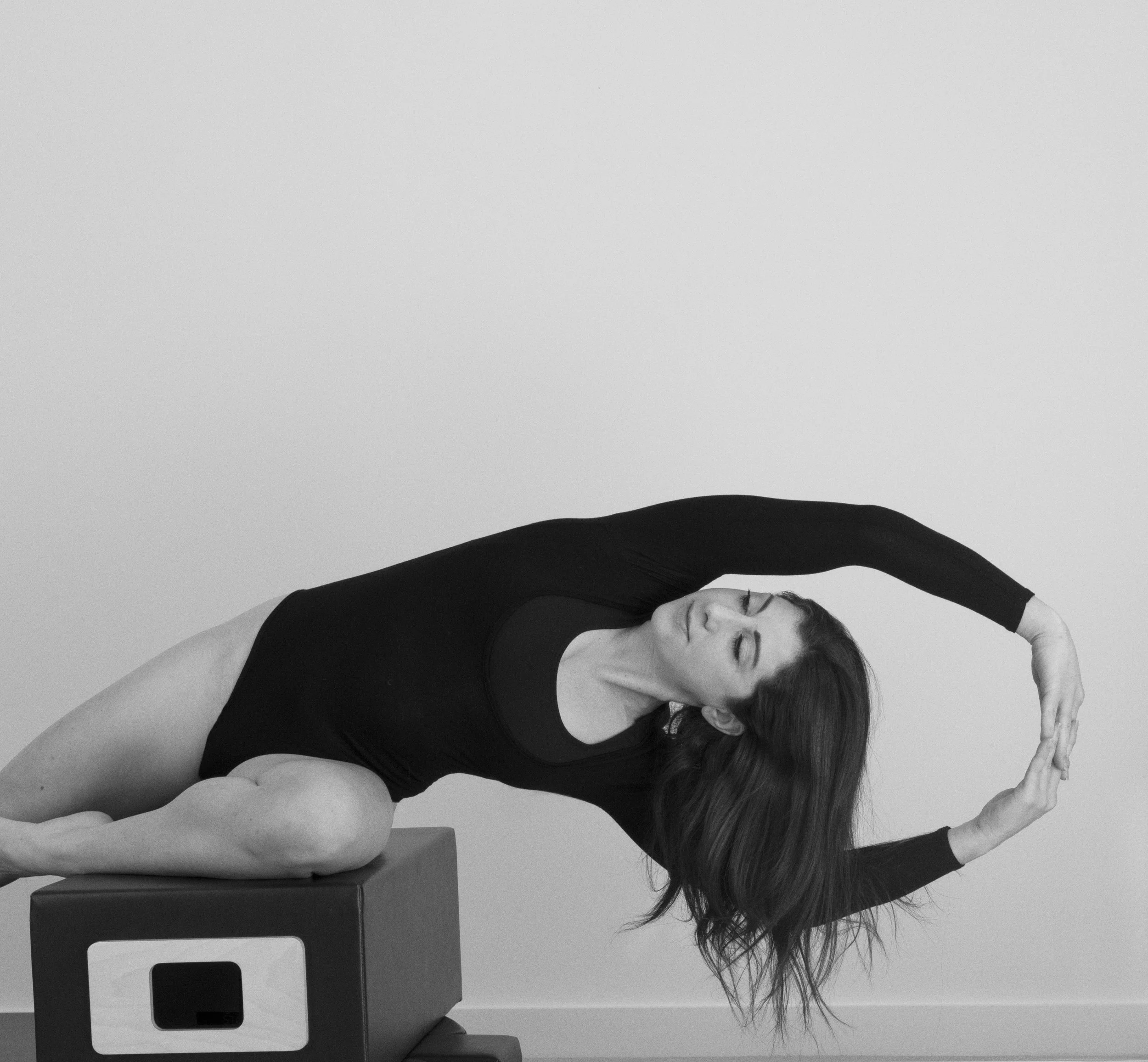
What the data is actually telling us
The headline numbers are striking. Dr. Brent Anderson of Polestar Pilates presented at the Fitness Technology Summit in London this year with research that laid out just how fast the category has grown. McKinsey's 2025 wellness report puts the global wellness market at $2 trillion, with younger consumers increasingly treating wellness as a daily practice rather than an occasional trip to the gym.
Pilates has ridden that wave better than almost any other modality. It sits at the intersection of everything today's consumer wants: low impact, high results, community, and a sense of doing something good for your body rather than just punishing it.
The problem is that when a category grows this fast, it attracts attention — including from operators with the resources to scale it fast.
Commercial gym chains can add reformers at a fraction of the cost it takes to open a boutique studio. They have existing foot traffic, existing members, and existing marketing budgets. They don't need the Pilates revenue to be their primary income stream. They just need it to be another reason for members to stay.
Which studios are most at risk
Not all boutique studios are equally exposed. The ones most at risk are those whose primary value proposition is access to Pilates — rather than a specific experience of Pilates.
If your marketing says "reformer Pilates classes in [suburb]" and not much else, you're competing on location and price. When a Virgin Active three kilometres away adds reformer beds and includes them in an existing membership, you've got a problem.
The studios that are well-positioned are the ones that have built something harder to replicate:
A specific methodology — clinical, rehabilitation-focused, athletic, or classical Pilates with a genuine pedagogical approach
Instructor quality that members will not find at a commercial gym — small class sizes, corrective cueing, genuine relationships
Community — the kind where members know each other's names and text each other to show up
A clearly defined client outcome — not "get fit" but something specific like "move well post-surgery" or "stay strong through menopause"
A commercial gym can add reformers. It cannot easily replicate any of those four things.
What boutique Pilates studios should do right now
The window to get clear on your positioning is now, while the saturation conversation is happening at the industry level rather than on your doorstep.
1. Write your one-sentence differentiator Finish this sentence: "Our clients choose us over every other Pilates option in [your suburb] because ___________." If you can't complete it clearly, that's where to start. Not with a new marketing campaign — with this sentence.
2. Put it on your homepage Most studio websites lead with "classes, timetable, book now." That's fine operationally, but it does nothing to differentiate you. Your differentiator needs to be visible above the fold — the first thing someone reads when they land on your site cold. If it takes more than five seconds to understand why your studio is worth the premium, you're losing people before they ever enquire.
3. Audit your class descriptions Generic class descriptions ("this full-body reformer class will challenge and strengthen you") read the same across every studio. Rewrite them to reflect your methodology and the specific outcomes your clients experience. Real, specific language converts better and positions you further from the commercial gym version of the same modality.
4. Lean into what you already do that scales badly Small class sizes, individual correction, instructor continuity, rehabilitation experience — these are features that commercial operators structurally cannot match. Make them visible in your marketing, your onboarding, and your retention conversations.
Common questions about Pilates studio marketing
Q: Should I be worried about big-box gyms adding reformer Pilates? If your studio is differentiated, no. If your only competitive advantage is proximity and you're in a suburb where a large gym is adding reformers, yes — this is worth taking seriously now. The time to position clearly is before the competition arrives, not after.
Q: How do I show what makes my studio different on my website? Start with the homepage hero section — the first thing visible without scrolling. That space should answer: what you offer, who it's for, and why it's better than the alternatives. Most studio websites waste it on a generic tagline and a background video of reformers. Use words that speak directly to your ideal client's outcome.
Q: Is the Pilates market actually getting saturated in Australia? The growth data suggests we're not at saturation yet, but the trajectory is clear. Australia's boutique fitness market has historically followed US trends by 12–18 months. What's happening with big-box operators adding reformers in the US now is a reasonable predictor of what Australian studios will face within the next year or two.
Q: What's the biggest mistake boutique studios make with their marketing? Talking about the modality instead of the outcome. Clients don't buy "reformer Pilates" — they buy feeling stronger, moving without pain, having energy to play with their kids, or looking the way they want to look. When your marketing speaks to outcomes rather than equipment, you stop competing with the gym down the road.
Q: Does my website really matter if most of my clients come through word of mouth? Yes — because word of mouth gets them to your website before they commit. Someone hears about you from a friend, searches your name, lands on your site, and makes a decision in the next 30 seconds. If your site doesn't back up the referral, you lose the booking. Your website is your best salesperson, available 24 hours a day.
Conclusion
Pilates going mainstream is not inherently good or bad news for boutique studios — it depends entirely on whether your positioning is clear enough to survive the comparison.
The studios that will feel it most are the ones that have been relying on the modality to sell itself. The ones that have built something specific — a methodology, a community, a defined client outcome — will find that the mainstream moment actually works in their favour, because it drives more people into the top of the funnel who then discover what a quality boutique experience actually feels like.
If you're not sure whether your website is doing the work of communicating what makes your studio worth it, that's the place to start. A free website audit from Crush It Digital will tell you exactly what a potential client sees when they land on your site — and what's costing you bookings.